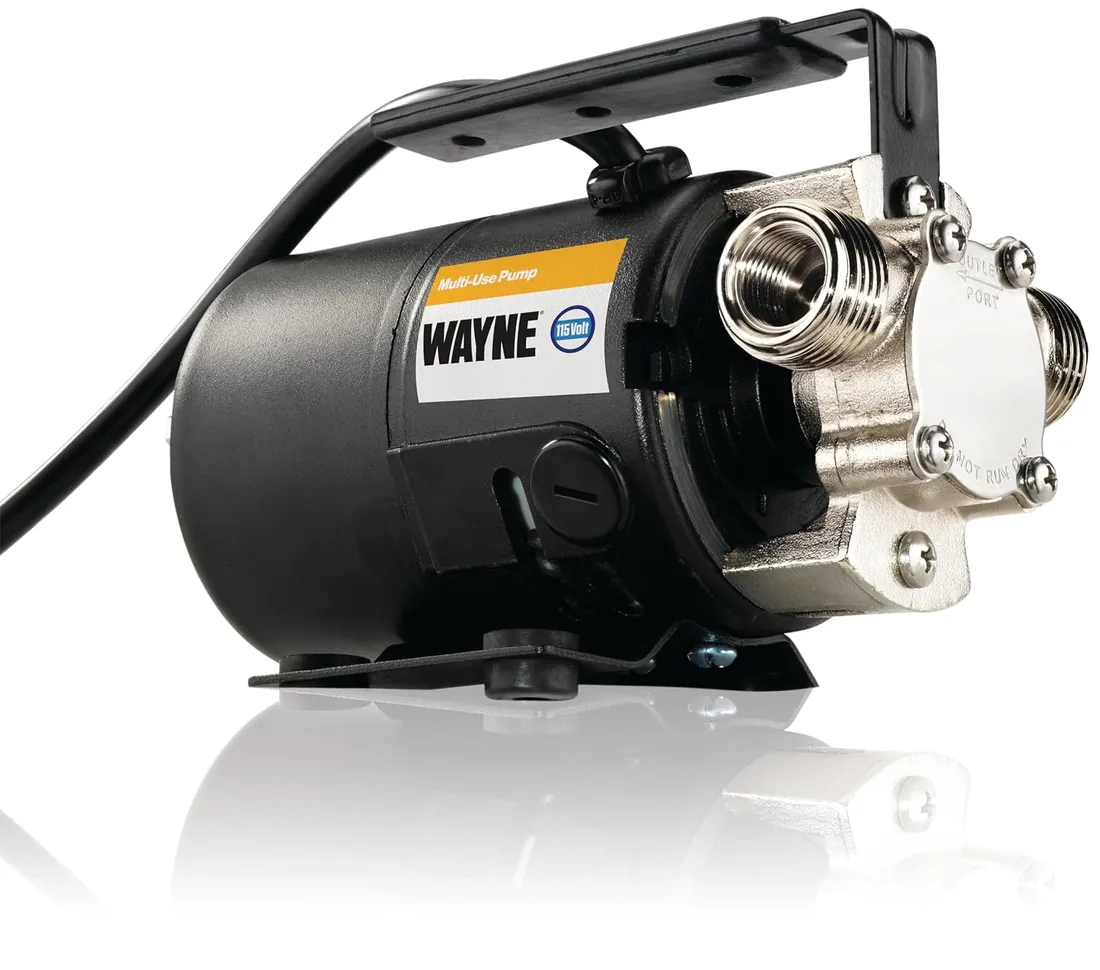
Quick verdict
The PC2 is a handy, light pump for emptying a waterbed, a clogged sink, a boat or a pool cover when a submersible will not fit or would be awkward. It comes with a 6 ft suction hose and a kit of spare impeller, seal and brushes. It is slow, it must not run more than two hours at a stretch, and its brushes need attention every 100 hours.
Who it fits, and who should skip it
A good fit if
- You empty waterbeds, sinks, small tanks or boat bilges through garden hose.
- The water is in a spot where a submersible pump cannot sit.
- You want spare parts in the box for a pump that sees occasional use.
- Your discharge must climb, since flow holds up well to 20 ft.
Look elsewhere if
- You need to move large volumes quickly.
- The job runs for hours on end without a rest.
- The water is dirty or gritty; abrasives wear the impeller.
Specifications
Motor
| Voltage | 120 V AC only, GFCI required |
|---|---|
| Horsepower | Not stated on the sell sheet |
| Motor type | Brush type, thermal overload with automatic reset |
| Duty | No more than 2 hours of continuous running |
Figures: Wayne PC2 operating instructions and parts manual 620001W-001 E; Wayne PC2 sell sheet.
Performance
| Max flow | 410 GPH at 0 ft |
|---|---|
| Flow at 5 / 10 ft | 390 / 350 GPH |
| Flow at 15 / 20 ft | 325 / 303 GPH |
| Max head | 30 ft maximum discharge height |
| Suction limits | Suction hose up to 15 ft; vertical lift to pump up to 10 ft |
Figures: Wayne PC2 sell sheet; Wayne PC2 operating instructions and parts manual 620001W-001 E.
Switch
| Switch type | None: runs while plugged in |
|---|
Figures: Wayne PC2 sell sheet.
Build
| Connections | 3/4 in hose fittings on inlet and outlet |
|---|---|
| Impeller | Semi-positive displacement, self-priming |
| Included | 6 ft suction hose, suction attachment, parts kit (impeller, gasket, seal, two brushes) |
| Construction | Coated steel motor housing; not submersible |
| Power cord | 8 ft |
| Size and weight | 6 x 4 x 5 in; 5 lb |
| Warranty | 1-year limited |
Figures: Wayne PC2 sell sheet; Wayne PC2 operating instructions and parts manual 620001W-001 E.
Versions
A single 120 V version is sold, with its suction hose and spare parts kit in the box.
| Version | Part number | What differs | Listing |
|---|---|---|---|
| PC2, 120 V AC | 57717-WYN3 | Self-priming, 6 ft suction hose, 8 ft cord | View on Amazon |
Figures: Wayne PC2 sell sheet; Amazon listing B000CPZTEK.
Installation and setup
The PC2 sits outside the water, so set it on a dry, stable surface; the manual says the motor must not be submerged or exposed to liquid. Attach the 6 ft suction hose to the inlet and an ordinary garden hose to the outlet, with a gasket in each connection. Wayne stresses that the joints must be airtight or the pump will not prime. Clip the suction attachment onto the open end of the inlet hose and place it near the middle of the water.
Keep the suction side short: no more than 15 ft of hose, and no more than 10 ft from the pump down to the water surface. The discharge can climb as high as 30 ft. Plug into a GFCI outlet on 120 V. Before the first start, add a tablespoon of vegetable oil to both the inlet and the outlet; it lubricates the impeller and helps the pump prime.
Switch and sizing notes
There is no switch: the pump runs while it has power. Check both hoses for kinks or blockages before starting, and watch the suction end so it stays under water. If the motor overheats from low voltage, a jammed impeller or a long run, the overload stops it; unplug it, wait at least ten minutes, and it resets. Wayne limits continuous running to two hours.
Wayne's sell sheet lists 410 GPH at 0 ft, 390 at 5 ft, 350 at 10 ft, 325 at 15 ft and 303 at 20 ft. That flat curve is typical of a self-priming flexible-impeller pump: it loses little to height but never moves much water. A 100-gallon tank takes about a quarter of an hour, while a waterbed or flooded room takes considerably longer.
Ownership and maintenance
Brushes are the main service item. Wayne says to inspect them after 75 hours and replace them every 100 hours, one at a time; two spares come in the parts kit. When the impeller vanes wear, remove the four cover plate screws, check the gasket and impeller, and fit the new impeller lubricated with vegetable oil, lining up the flat on its hub with the motor shaft. A leaking shaft seal usually means the pump has handled grit.
Use it for clear water only, never for drinking water or as a permanent installation. Keep the dated receipt: the sell sheet gives a one-year limited warranty.
Pros and cons
Pros
- Self-priming; works from outside the water.
- Spare impeller, seal and brushes included.
- Flow barely drops up to 20 ft of lift.
- Very light at 5 lb.
Cons
- Low flow of 410 GPH at best.
- Two-hour limit on continuous running.
- Brushes need replacing every 100 hours.
Alternatives worth comparing
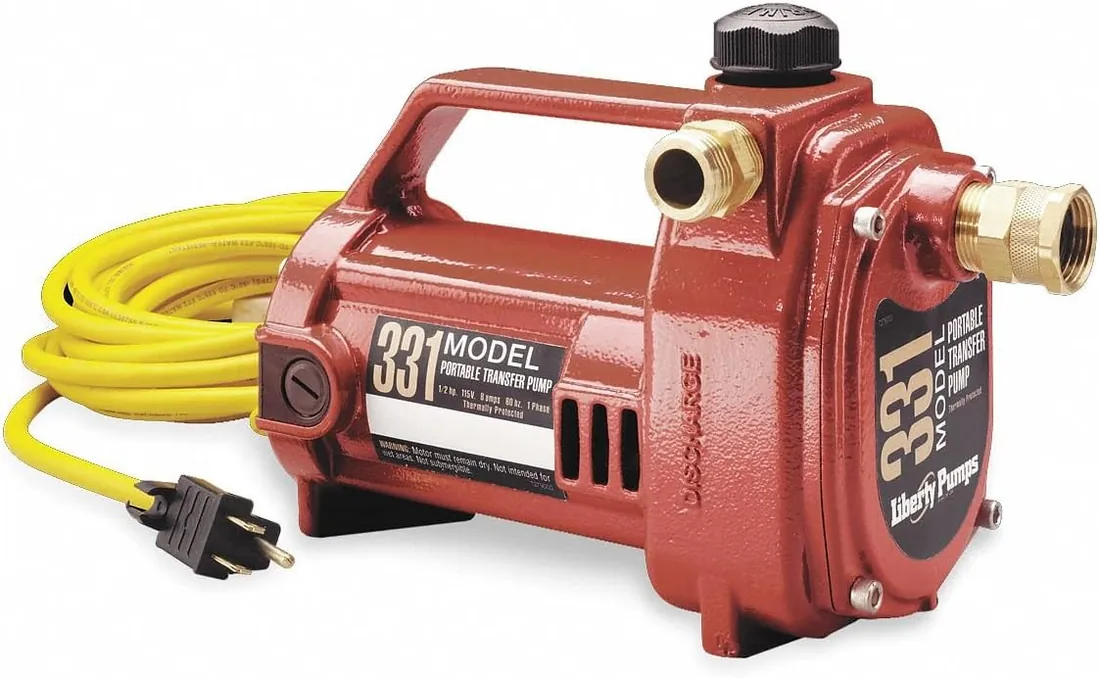
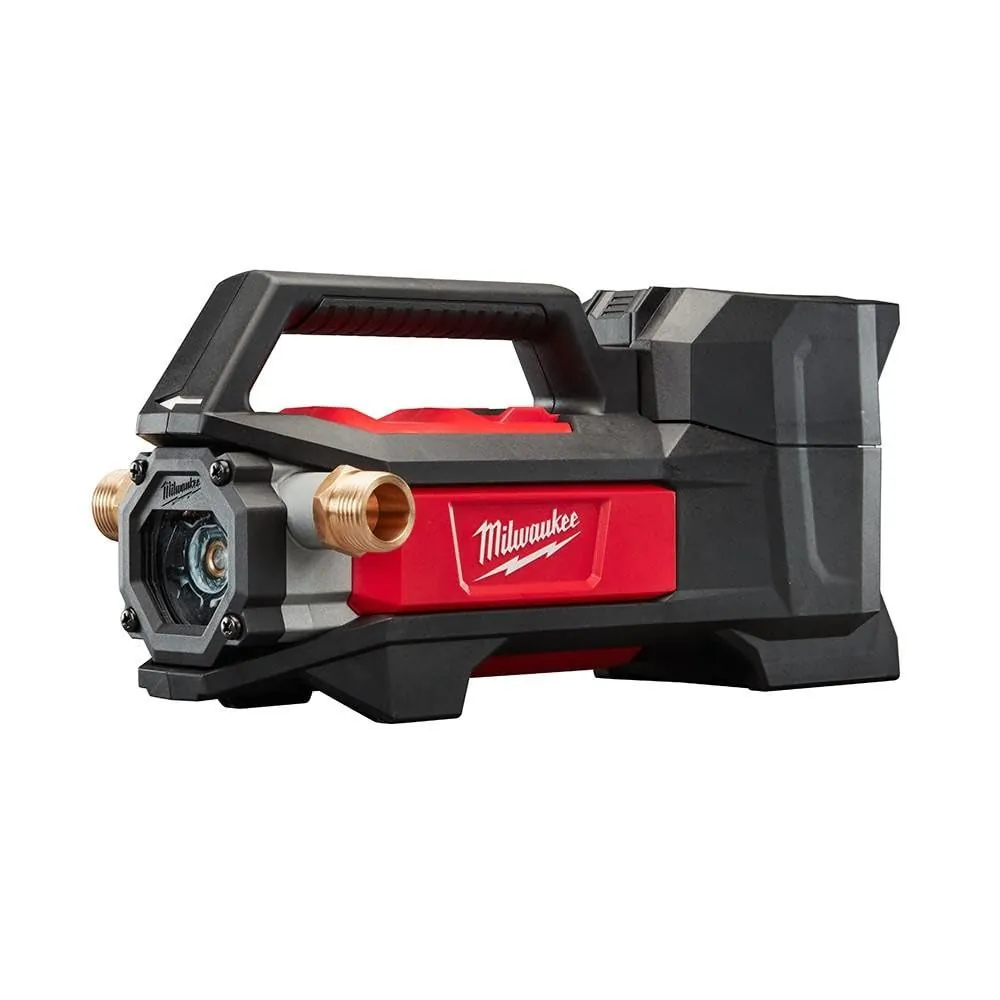
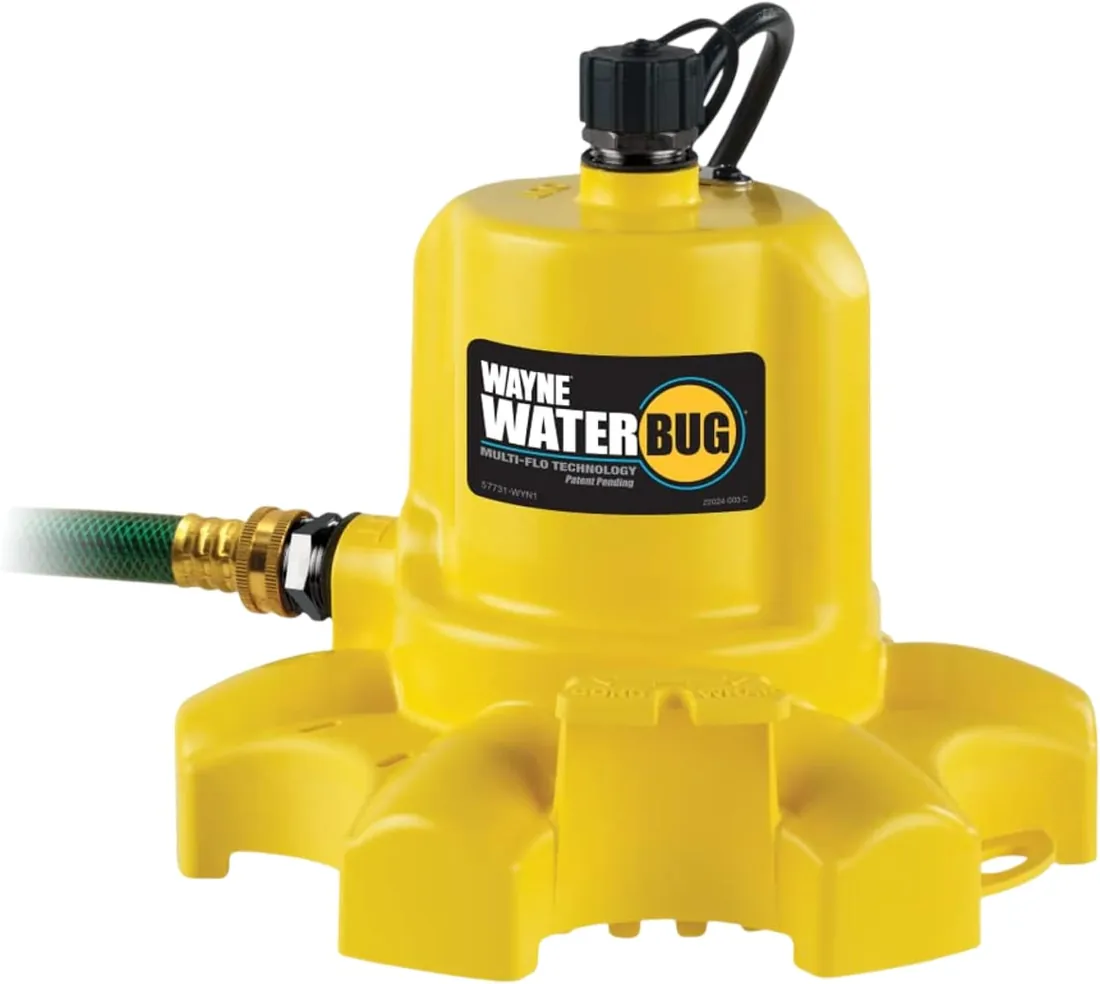
Compared with and featured in
Final verdict
Pick the PC2 for small, occasional transfer jobs from awkward places, where self-priming and a light body matter more than speed. For long runs, more flow or heavy use, the Liberty 331 or a submersible will serve better.
Where to buy
Each button opens this exact model's listing. We may earn a commission on tracked links; it never changes what we publish. Disclosure
Questions buyers ask
How do I prime the Wayne PC2?
Add about a tablespoon of vegetable oil to both the inlet and the outlet, attach the suction hose and garden hose with gaskets so the joints are airtight, and put the suction end under water. Keep the pump no more than 10 ft above the water surface.
How long can the PC2 run?
Wayne says the motor should never run for more than two hours continuously, because it can overheat and be damaged. If the overload trips, unplug the pump and wait at least ten minutes for it to reset.
How often do the PC2 brushes need replacing?
Inspect them after 75 hours of use and replace them every 100 hours, one brush at a time. Two replacement brushes come in the parts kit, along with an impeller, gasket, shaft seal and hose washer.
Can the PC2 be submerged?
No. It is a non-submersible transfer pump; only the suction hose goes into the water. Keep the motor and cord dry, and use a submersible such as the WaterBUG if the pump itself must sit in the water.