Choose a water-powered backup if you have municipal water with steady pressure and want protection that does not run down during a long outage. Choose a battery backup if you are on a well, have low water pressure, or need more flow at a high lift. Water-powered pumps use city water to work and need a backflow preventer; battery systems need a battery replaced every few years.
How each type works
A battery backup is a 12 V DC pump that sits in the pit beside the main pump. A controller charges the battery while the power is on and runs the pump from it when its float rises. Runtime is limited by the battery's charge.
A water-powered backup has no motor. Liberty's SumpJet SJ10 connects to a 3/4 in municipal water line. When its float rises, a valve opens and pressurized water rushes through a venturi nozzle, which pulls sump water along with it and pushes both out the discharge. Liberty says it removes 2 gallons of sump water for each gallon of city water used, at a 5 ft lift. It needs no electricity at all, so it keeps working through a long outage as long as the city's water pressure holds.
How much water each one moves
A water-powered pump's flow depends on two things you cannot change much: your water pressure and your lift. Liberty publishes a full table for the SJ10, measured with water flowing at the inlet. At 40 PSI it moves 15.4 gallons per minute at a 4 ft lift but 7.2 at 15 ft; at 20 PSI it gives 11.0 at 4 ft and nothing usable above 8 ft. Measure your pressure with water running before you buy.
Battery pumps usually move more water at typical basement lifts. Wayne's ESP25n is rated at 1,500 gallons per hour at 10 ft, which is 25 gallons per minute, and 660 gallons per hour at 15 ft. Their weakness is time, not flow.
| Inlet pressure | 4 ft lift | 8 ft lift | 12 ft lift | 15 ft lift |
|---|---|---|---|---|
| 20 PSI | 11.0 | 5.8 | None | None |
| 30 PSI | 12.8 | 9.0 | 5.5 | None |
| 40 PSI | 15.4 | 12.5 | 9.3 | 7.2 |
| 50 PSI | 17.2 | 14.5 | 12.0 | 10.0 |
| 60 PSI | 19.8 | 17.0 | 15.2 | 13.5 |
Figures: Liberty Pumps SJ10-Series sales literature LLIT004400.
Runtime: unlimited vs hours
This is the water-powered pump's big advantage. With city water flowing, it runs as long as needed, through an outage of a day or a week. A battery backup runs only as long as its charge: Basement Watchdog rates its systems at 40 to 80 hours at a 10% duty cycle, and Zoeller about 7 hours of continuous pumping for its DC backup. In a long storm with a long outage, a battery can run flat while water is still coming in.
Water-powered pumps have their own limit, though. Liberty states plainly that the SJ10 needs an uninterrupted water source, and if your home has a well pump, it will not operate during a power outage, because the well pump stops too.
Installation requirements
Water-powered backups bring plumbing rules. Liberty's SJ10 specification says an approved RPZ backflow prevention device is required by the Uniform Plumbing Code to protect the municipal supply, in addition to the pump's built-in inlet check valve, and it advises checking local codes before installation. The SJ10 also needs room: Liberty recommends a pit at least 18 in across so its float does not interfere with the main pump. It accepts inlet pressure from 20 up to 100 PSI.
Battery backups need an outlet for the charger, a dry place off the floor for the controller and battery, and a second discharge line or a Y connection with check valves on both pumps. Neither type is hard to fit, but the water-powered pump usually means a plumber for the supply line and backflow device.
Upkeep and running costs
Battery systems need a new battery every few years; Liberty says most last three to five years. They also need monthly tests and clean terminals. A water-powered pump has no battery, but it uses city water whenever it runs, which shows up on the water bill after a long event, and its float and foot valve need occasional cleaning.
Both benefit from an alarm. A water-powered pump runs silently, so you may not know the main pump has failed. Liberty sells the SJ10A with an audible and visual alarm and a 9 V battery backup, and the SJ10A-EYE with phone notifications. Liberty warrants the SJ10 series for three years.
Which one to choose
On city water with good pressure and modest lift, a water-powered pump such as the Liberty SumpJet SJ10 gives the longest protection with the least upkeep. On a private well, or with low pressure or a high lift, a battery backup such as the Wayne ESP25n is the only one of the two that works when the power fails. Some homeowners fit both where code and space allow.
Compare options on the battery backup sump pump list before you decide.
Common mistakes
- Buying a water-powered backup for a house on a well.
- Skipping the backflow preventer that plumbing code requires.
- Guessing water pressure instead of measuring it with water flowing.
- Fitting a water-powered pump in a pit too narrow for both floats.
- Relying on any silent backup without an alarm.
Products that fit
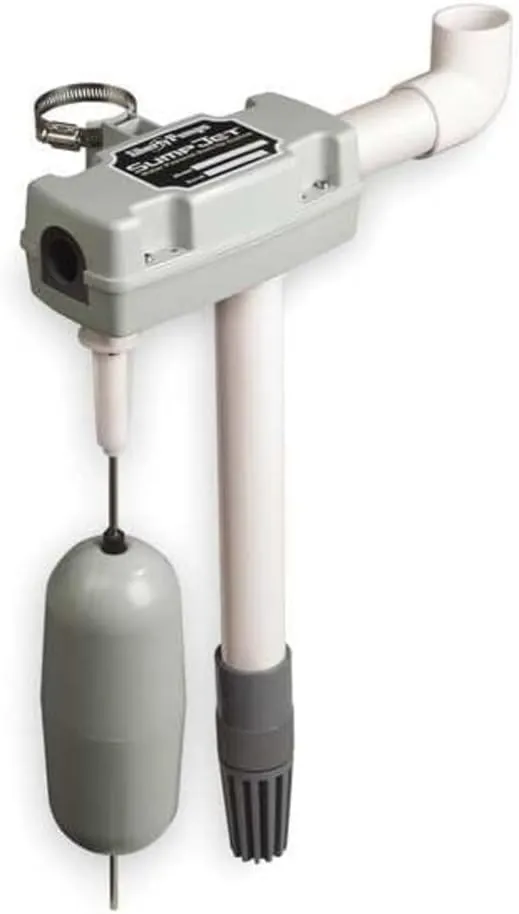
Liberty SumpJet SJ10 Water-Powered Backup Pump
Water-powered backup that removes two gallons for each gallon of city water used at 5 ft.
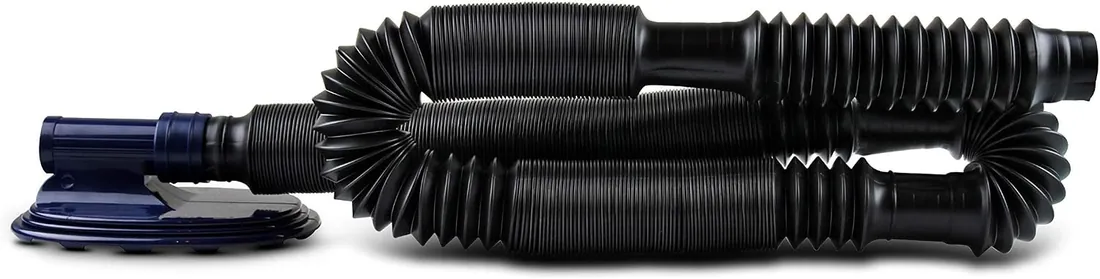
Pumps-A-Lot WP25 Water-Powered Pump
A second water-powered backup option for homes supplied by municipal water.
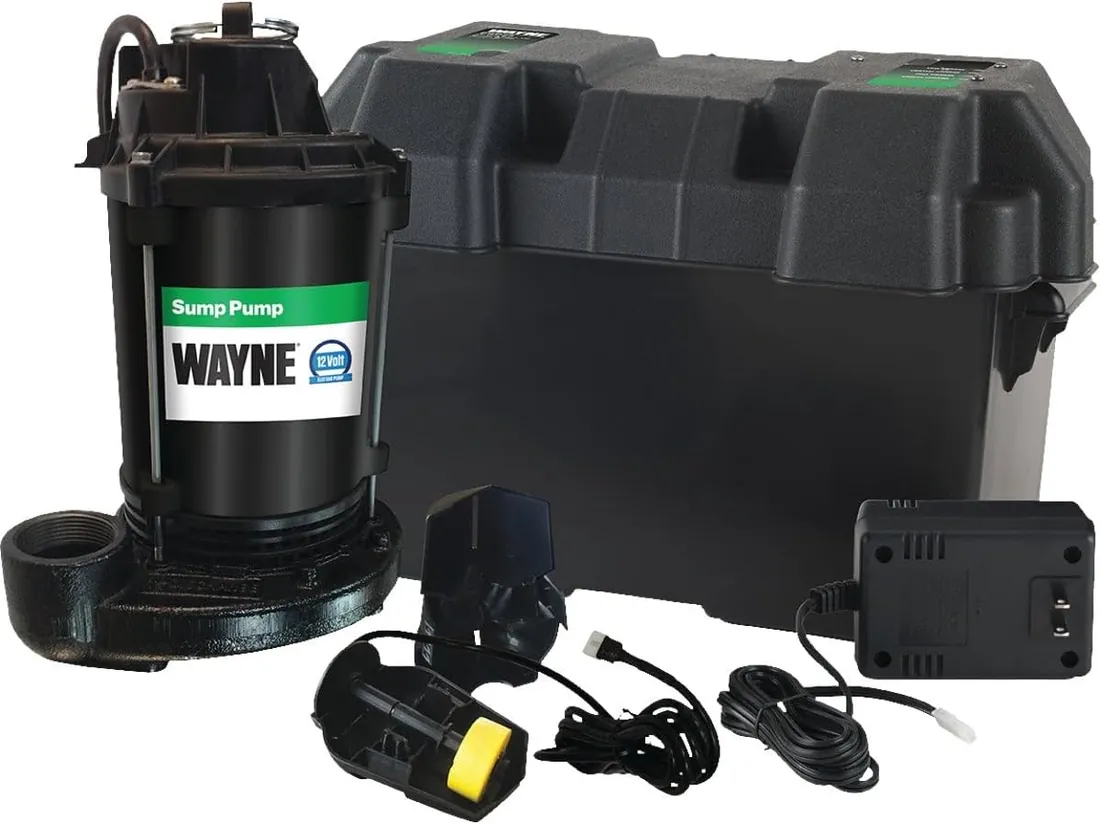
Wayne ESP25n Battery Backup Sump Pump
Battery backup rated at 1,500 gallons per hour at a 10 ft lift.
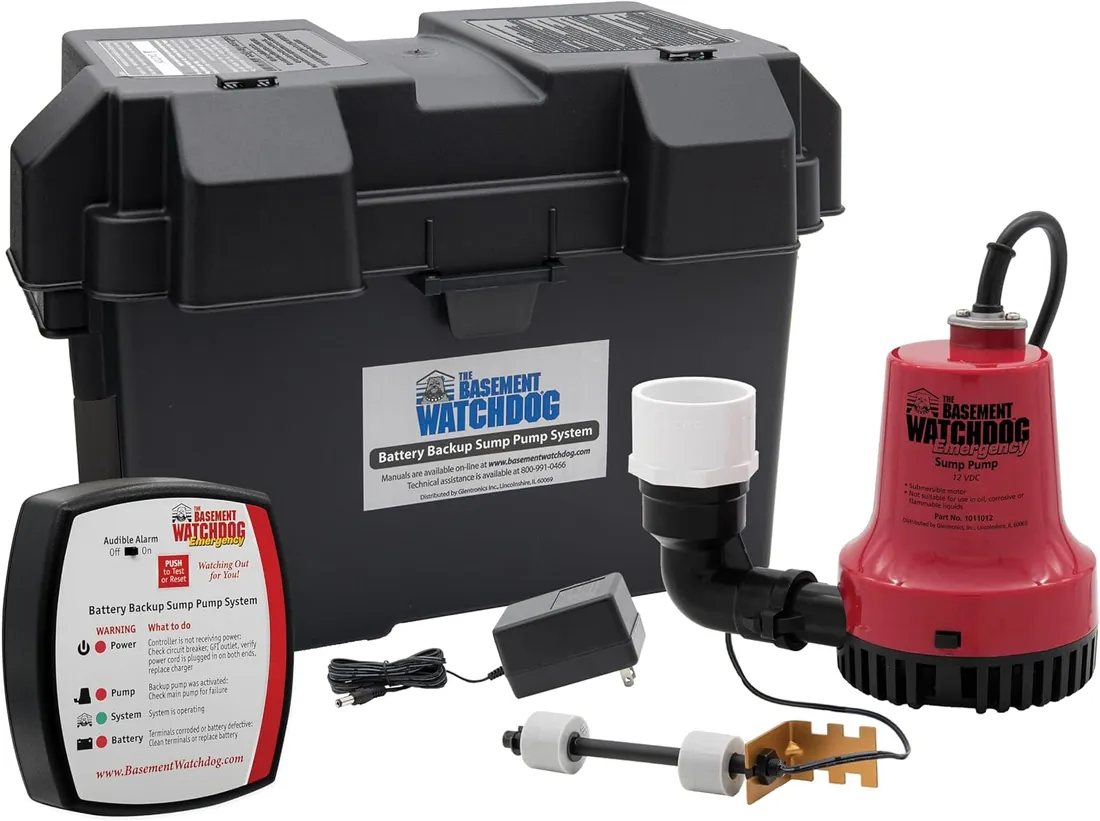
Basement Watchdog Emergency (BWE) Battery Backup Sump Pump
Battery backup rated for 80 hours at a 10% duty cycle.
Questions readers ask
Do water-powered sump pumps work on well water?
Not during a power outage. Liberty says the SJ10 needs an uninterrupted water source and will not operate on a well during an outage, because the well pump has no power. A battery backup is the right choice for well homes.
How much water does a water-powered backup use?
Liberty's SJ10 removes about two gallons of sump water for each gallon of city water at a 5 ft lift. Higher lifts or lower pressure use more city water per gallon removed.
Is a water-powered backup sump pump allowed by code?
Generally yes, with backflow protection. Liberty's specification says the Uniform Plumbing Code requires an approved RPZ device, and it lists the SJ10 under IAPMO PS 119. Check local plumbing rules first.
Which backup moves more water?
At typical basement lifts, usually a battery backup. Wayne's ESP25n is rated at 1,500 gallons per hour at 10 ft, while the SJ10 moves about 9.0 to 17.0 gallons per minute at 8 ft depending on pressure.